

In today’s world, coffee consumption is at its peak. Over 2.25 billion cups of coffee are consumed daily. Furthermore, many people enjoy their coffee in a disposable cup they bought from a coffee shop. This habit causes a very concerning menace to our planet Earth. In this blog, we will look at the effects of disposable cups and what we can do.
What is the problem?
The history of disposable cups is an interesting one. The first such cup was crafted from paper and gained popularity during the Spanish flu in 1918 which was invented as a more sanitary way for people to drink from shared wells or water fountains. However, the 60s saw a shift towards the use of polystyrene foam, commonly known as Styrofoam, due to its perceived advantages. Today, we find ourselves using three main types of disposable cups: paper, Styrofoam, and plastic.
We use an estimated 16 billion paper disposable coffee cups each year, which is more than 43 million disposable cups per day. This leads to 6.5 million trees being cut down, 4 billion gallons of water going to waste, and enough energy to power 54,000 homes for a year also going to waste. Unfortunately, if we include plastic and styrofoam cups in the function, then we would look at a portrait of pure horror.
Let us understand all the types of coffee cups and their threats to nature:
Styrofoam Cups
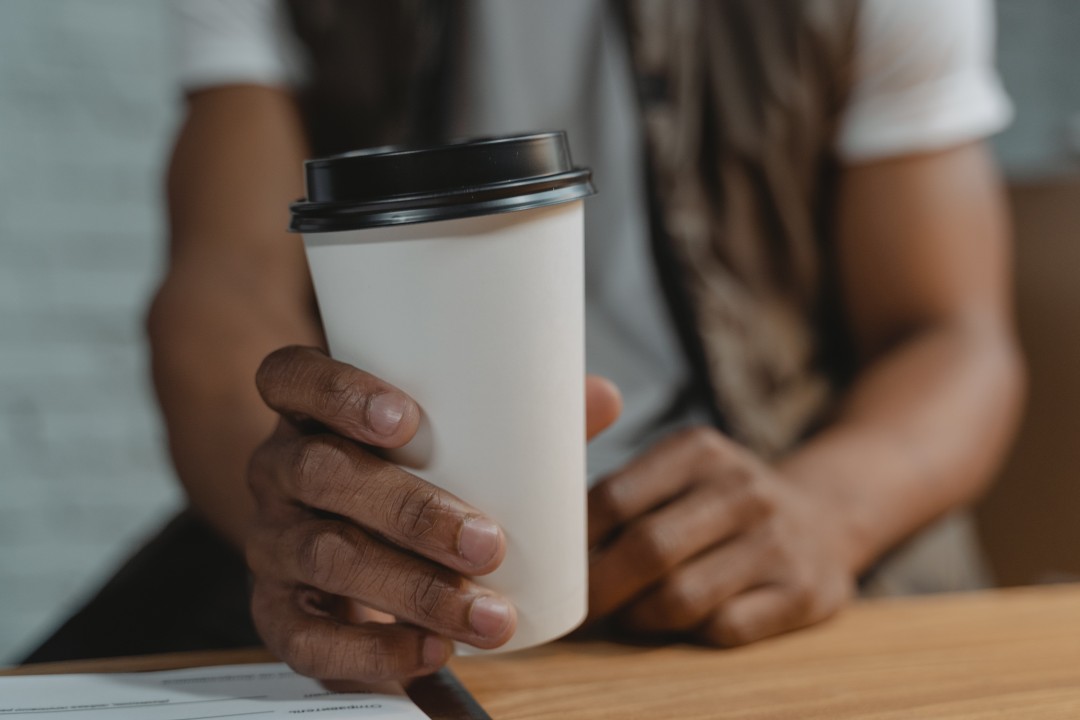
Styrofoam cups are inexpensive and lightweight due to the fact they are about %95 air. In addition, it is very effective because it helps beverages retain their heat longer. This advantage makes styrofoam cups very popular. As of recent estimates, around 18 million tons of polystyrene are produced annually worldwide. Americans throw away an estimated 25 billion Styrofoam cups every year, or about 82 cups per person (Now and Forever: The Styrofoam Dilemma, 2016)
%80 of styrofoams end up in landfills, and the remaining %20 end up in waterways. Nevertheless, a 2011 study estimates that plastic products, such as styrofoam, comprise 90% of all floating marine debris (Facts about Styrofoam Litter, 2011). Styrofoams are not biodegraded and last hundreds of years to decompose. As styrofoams are very lightweight when they tear apart into tiny pieces, they make clean-up dramatically more expensive, and they menace wildlife.
Styrofoams are recyclable products; however, the recycling process is more expensive than manufacturing virgin styrofoams. Moreover, recycling styrofoams consumes a high level of energy, which makes communities reluctant to recycle them. This leads communities to recycle less than 1% of styrofoam.
While an array of countries and states have taken the initiative to ban polystyrene foam, if it’s not banned in your region, you can be a part of the solution. Your actions can help remove these harmful styrofoams from our environment, making a significant difference in the fight against pollution.

Plastic Cups

On those never-ending scorching hot days, we often choose to enjoy our daily cold beverages, which are commonly served in plastic cups. As you know, plastics are one of the major threats to nature. Every year, we produce more than 400 million tons of plastics, and 40% of these plastics are single-use. In the US alone, it is estimated that around 100 billion disposable plastic cups are used annually. This widespread use of plastic cups contributes to a concerning environmental problem.
Like styrofoam, plastics are not biodegradable; they turn into very small micro and nano plastics. They pollute landfills and marines and threaten the lives of dozens of creatures, including us. Only 9 percent of plastics are recycled; the rest incinerate or end up in landfills and the environment. Furthermore, an estimated 8 million tons of plastic waste enter the oceans annually, disrupting marine life.
There are three types of plastic cups: polypropylene (PP), Polyethylene Terephthalate (PET), and Polylactic Acid (PLA). PET is the most biodegradable of these three, but even PETs’ recycling percentage is below 30. Depending on the type of plastic and its disposal method, the emissions from a single-use plastic cup range between 10g and 30g of CO2.
Paper Cups
While paper cups may appear to be a more eco-friendly option than plastics and styrofoams, the truth is that the situation is more pressing and complex than we might realize. The urgency of this issue calls for immediate action and a sense of responsibility from all of us.
Starbucks, a key player in the coffee industry, significantly influenced the shift from polystyrene foam cups to paper cups when it emerged in the 1980s. The introduction of lattes, cappuccinos, and other specialty coffee drinks by Starbucks necessitated the use of a domed lid that only fit on paper cups, further promoting their use.
The manufacturing process of paper cups, which involves the felling of over 20 million trees annually to produce 16 billion paper cups, has a significant impact on the environment. The loss of these trees reduces the absorption of carbon dioxide from our atmosphere, leading to environmental pollution and irreversible damage to our ecosystem. Each paper cup, including its sleeve, emits about 110g of CO2, further contributing to the environmental burden.
Despite all these facts, paper cups are still more friendly to nature than their cousins. However, Only a very small percentage of paper cups are recycled. In the UK, for example, only 0.25 percent of used coffee cups are recycled. The lower rate of recycling is because of its polystyrene lid. Paper cup recycling could reduce this environmental footprint by up to 40%. It’s up to us, the members of our local communities, to support and drive the activities for paper cup recycling. We are part of the solution, and our actions can make a difference.
Conclusion
As we now know all the different types of disposable cups, we have more knowledge of why it is an enormous threat to nature. The consumption of coffee is showing an upward trend, and the disposable cup problem might be something we can’t combat soon. With styrofoams’ health risks for wildlife and human life, plastics’ disruption of marine life and the danger of having microplastics in our foods, and finally, the eruption of trees and the polystyrene lids of paper cups, disposable cups are way worse problems for tomorrow than we think. We must stop the single-use cups problem before the impact becomes a no-return issue.
Even though the disposable cups problem is a big challenge for humanity to face, with minor changes in our lives and with great awareness, we can solve this problem with its roots and have a cleaner and healthier tomorrow. Let’s explore what we can change in our daily lives and what we can do for our local communities to help save nature and secure a better tomorrow.
Reduce consumption of disposable cups
The best solution to the disposable cup problem is not using them! Let’s reduce single-use cups and enjoy our coffee in reusable cups. There are dozens of eco-friendly coffee shops, and you can drink your coffee in a reusable cup. Plus, coffee tastes better when you’re not rushing but sitting at a coffee shop, enjoying the moment.
If your favorite coffee shop does not have reusable cups, I strongly recommend asking if you can bring your own cup. Not only is this a great way to reduce waste, but it can also save you money. Starbucks, for example, offers a discount to customers who bring their own cups. This move to expand BYOC (bring your own cup) to drive-through and app orders signaled companies’ and customers’ growing wariness of single-use, disposable coffee cups.
Congrats! By reducing the use of single-use cups, you have completed the most important change you can make to save nature. However, there are still things we can do to secure nature.

Raise awareness and Support Legislation
As single human beings, we can not solve the problem alone. However, if we all together provide legitimate policies (for example, banning styrofoam cups in your city, state, or country), then we would secure the environment. The initial move should be raising awareness of the disposable cup problem.
Start with your circle of friends, the ones you often accompany to coffee shops. By enlightening them about the true cost of single-use cups, you can influence their perspective. Your efforts can lead to a more conscious community when it comes to using disposable cups.
Once we’ve successfully raised awareness about the issue of disposable cups in our communities, it’s time to take collective action. We must use our voting power to advocate for policies that limit the use of single-use disposable cups. Some regions have even introduced additional charges for disposable cups to encourage the use of reusable alternatives. If your local area lacks such measures, take the lead and be the catalyst for change in your community.
Enjoy your coffee!
You now know how disposable cups menace our nature, and you know what you have to change. By promising steps you’ll take, there’ll be a better and cleaner tomorrow. Start taking action today, and don’t forget to enjoy your coffees with your loved ones in reusable cups!
Sources:
https://www.theguardian.com/environment/2024/jan/22/disposable-coffee-cups-environmental-impact
https://ourworld.unu.edu/en/storm-in-a-paper-cup
https://pirg.org/articles/states-have-a-chance-to-throw-out-polystyrene-foam-in-2018/
https://greendiningalliance.org/wp-content/uploads/2016/12/real-cost-of-styrofoam_written-report.pdf
https://foodprint.org/blog/environmental-impact-coffee-cup/
https://www.starbucks.com/responsibility/planet/
https://resource-recycling.com/plastics/2018/11/28/pet-bottle-recycling-rate-rises/
https://huskee.co/blog/the-environmental-effect-of-disposable-coffee-cups/
https://www.greenmatch.co.uk/blog/2015/06/the-effects-of-paper-coffee-cups-on-the-environment
https://www.bbc.com/news/science-environment-43739043
https://cases.open.ubc.ca/w17t2con200-3/
https://www.sciencedirect.com/science/article/abs/pii/S0959652620303413?via=ihub
https://www.grandviewresearch.com/industry-analysis/expanded-polystyrene-eps-market
Leave a Reply